


Client story
F+H Partners in the Field: Two Years with Xenia Concerts
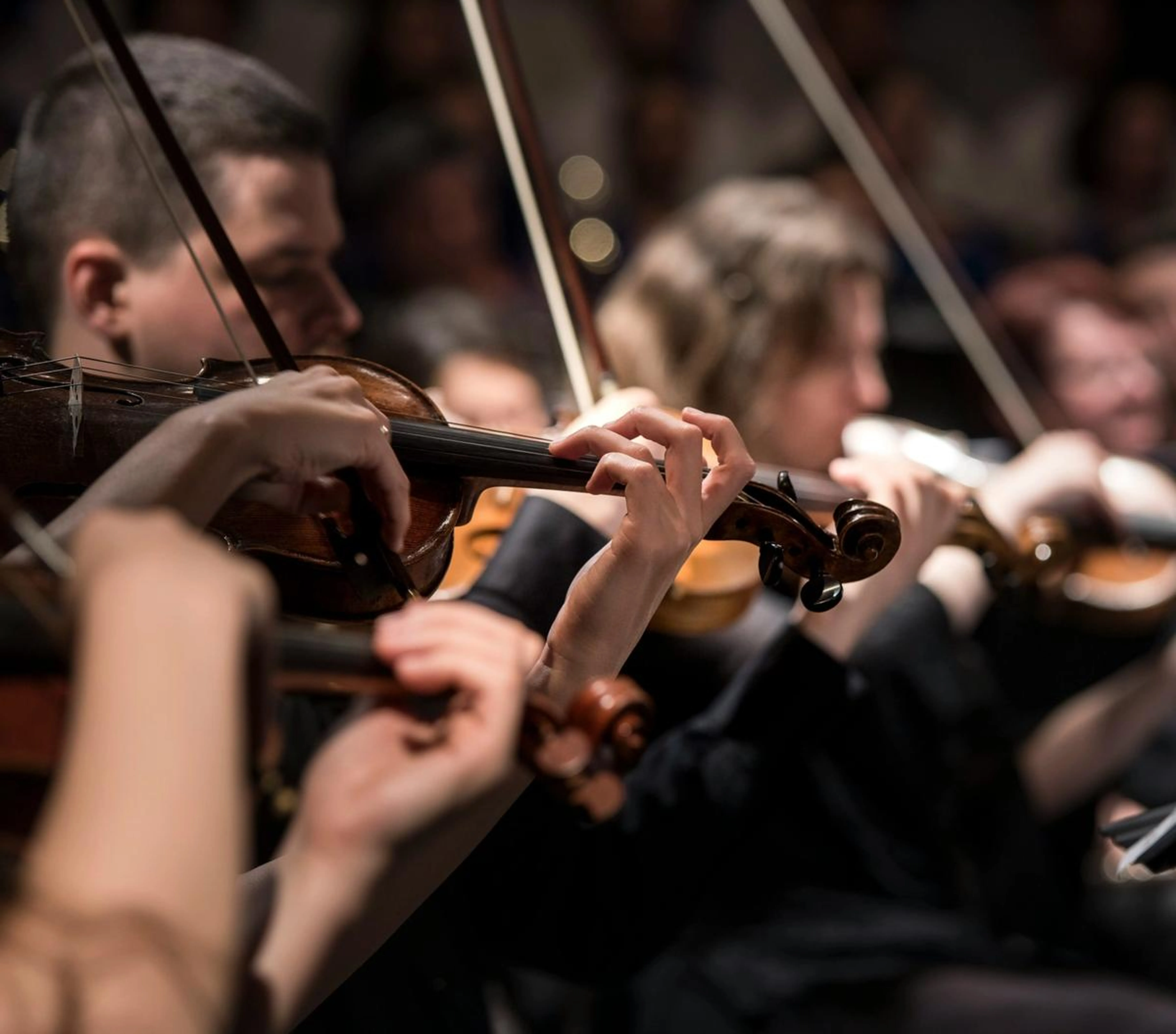
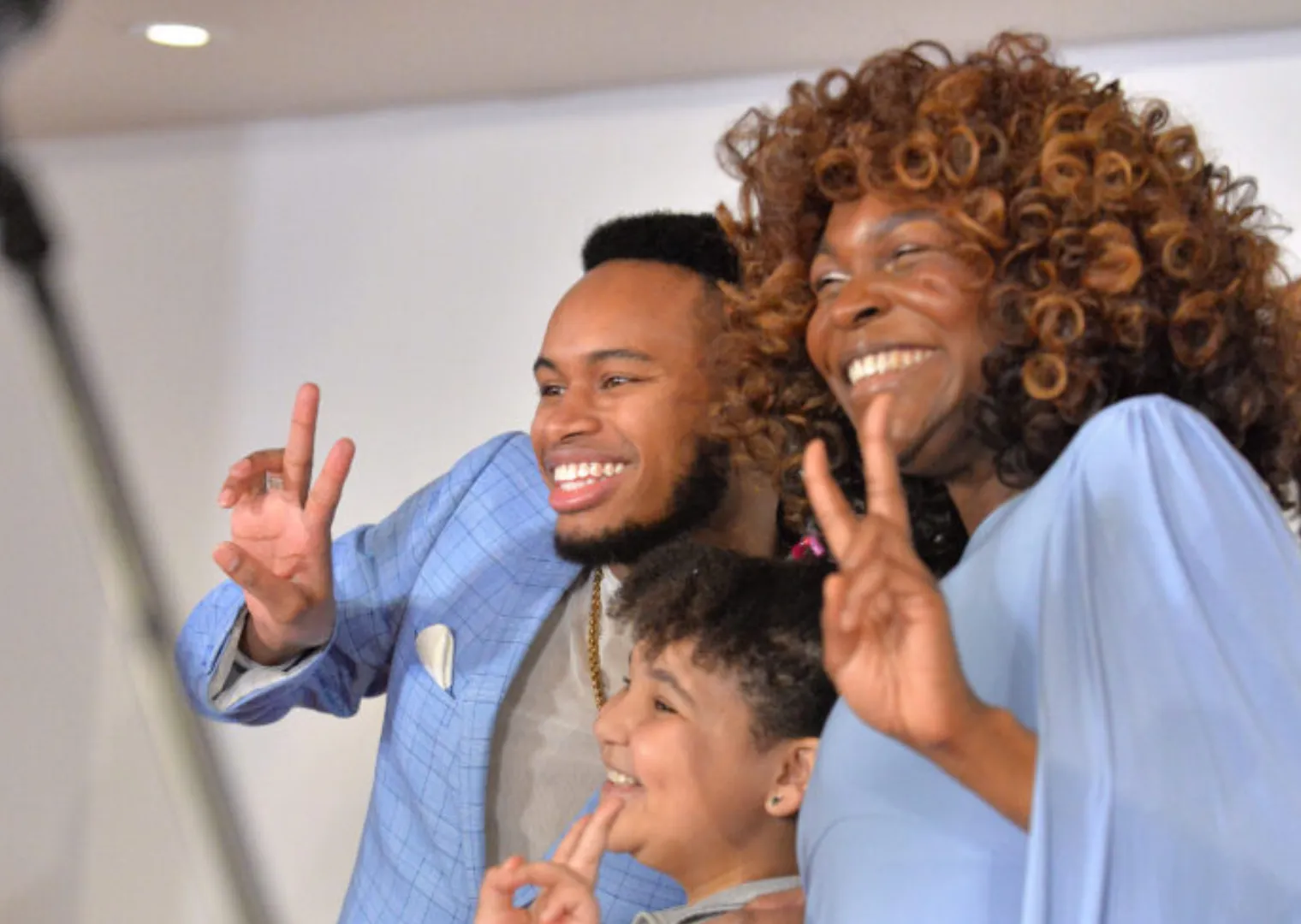
A child hums along with the strings, and no one shushes him. A teenager keeps time in her seat, rocking the way she needs to. A therapy dog dozes at the back of the room. On stage, an ASL Performer signs the music as it plays, and an hour earlier, before the first note, families explored the space, picking up fidget toys and exploring movement spaces. This is an ordinary afternoon at Xenia Concerts.
Xenia works with the neurodiversity and disability communities to design and present performing arts experiences for children, families, and others who too often find the concert hall closed to them, whether by a hard rule about silence or a softer sense that this was never built with them in mind. The organization presents more than 30 of these Adaptive Concerts a year. The accommodations are not afterthoughts bolted onto a standard show. Accessibility is the starting point. Musical ASL Artists weave signing into the music rather than literal signing of only the words. Captions run for those who want them. Tactile tours open the instruments up before the performance. The premise underneath all of it is simple to say and hard to build: a room where everyone can be themselves, at the same time, enjoying the same music.
That work has caught on quickly. Xenia's programs have grown to twice as many concerts, now reaching five times the audience they did just five years ago. What began in Toronto is being experienced today by families in places like Bowmanville, Napanee, and Niagara, in partnership with venues like TO Live, Flato Markham Theatre, the City of Mississauga, and the Canadian Opera Company. The programming has widened too, from the family concerts to a series visiting older adults and an artist training stream, aiming to spread accessibility efforts into the broader arts sector. Xenia's stated aim for 2030 is that every major Canadian city, and many smaller communities, will have music programming for neurodivergent and disabled audiences.
A team of researchers at Toronto Metropolitan University analyzed three years of audience feedback, and the findings are hard to argue with. More than 99% of audience members agreed that Xenia concerts were good for their own wellbeing and for the wellbeing of the person they care for. 98% felt welcomed. Between 92% and 98% reported that their accessibility needs were met. Asked to describe the experience in their own words, audiences reached for the same handful of descriptors: joyful, freeing, a place where kids could be themselves. One caregiver put it plainly. "As a single parent with a young child, there are not many opportunities to participate in concerts where I would not be stressed."
Xenia's artistic growth and its early fundraising momentum were well underway before F+H Partners came on board to help. What the team did not yet have was a process and infrastructure for building ongoing individual support: the segmenting, the asks, the calendar, and the systems that let a small staff run a campaign without it swallowing their limited time. That is the work we took on.
We began in early 2025 with a development assessment. We immersed ourselves in their organization, reviewing documents and interviewing staff and board members. We assessed their contact list, and came back with a plan and got to work. Over the next few months, we met with the team most weeks, to help them build out their fundraising operations: how to identify the most interested contact, how to engage them, and building on their past success. Xenia set a goal of $75,000 in individual giving for the year, a meaningful step up, and we built the plan around reaching it.
That autumn, we helped Xenia run its first structured matching appeal. We helped set up clear segments, current donors who might top up a gift, donors due to renew, and a larger pool of newer prospects drawn from ticket buyers and email subscribers. A group of board members put up a match of up to $4,500, which gave the ask a deadline and a reason to act. The messaging was built around three themes that resonated with the audience: the wellbeing that music brings, the belonging the concerts create, and the shift Xenia is driving toward normalized disability acceptance.
This spring we returned for a third engagement, building further on the foundations established in 2025. A complete spring appeal, across mail and email, with some social media support, scaled to Xenia’s resources. Each engagement was has added to Xenia’s internal capacity, so that we are becoming less necessary over time, rather than more. We believe that a fundraising program that depends on continued support from us as consultants is not building for the long-term success of our clients and their missions.
We are proud to have played a part in supporting Xenia, but their success is truly a testament to the commitment and passion of their staff and board. What we can say is that Xenia now has structures they can use each annual cycle, an ongoing stewardship rhythm, and a team that is developing best practices off stage, just like they are on stage. The work they are doing will continue to compound each year.
The reason we have continued working together is also the reason the work is worth writing about. Xenia is solving a real problem, for real families, with both rigour and warmth. Our part has been behind-the-scenes, helping a strong organization keep growing. By 2030, a lot more people who might not have felt able to enjoy music together, will experience being welcomed to a Xenia Concert or one presented by a Xenia trained artist or presenting organization. We are thrilled to see Xenia flourishing and encourage you to get out and visit a concert soon. They are for you!